Contents
Editorial
Airspace Asia Pacific 2025 opens with a clear vision for collaborative, future-ready skies
Asia Pacific Leaders Unite in Hong Kong for CANSO Asia Pacific Conference and Airspace Asia Pacific Exhibition
Advancing integration, innovation, and talent: Your theatre highlights for today and tomorrow
Digital Aviation: For smarter, greener and more efficient skies
Airspace Asia Pacific News
Gallery
Back page
Platinum Sponsors:
In this latest edition of Airspace Asia Pacific Today you can catch up on the highlights of the show so far, including the CANSO Asia Pacific Conference 2025, the official Airspace Asia Pacific opening ceremony, and the signing of an MOU for closer cooperation between Airways New Zealand and Airservices Australia. You'll also find a round up of all the press releases released by our exhibitors so far, and a selection of the latest pictures.
Read full publication
Copyright © 2025
Platinum Sponsors:
What a fantastic start to the show. Our Opening Ceremony was a real success – leaders from across Asia Pacific shared their thoughts on why Airspace Asia Pacific comes at exactly the right time as the region deals with exponential growth in traffic and a myriad of other challenges.
Likewise the feedback we have had so far suggests that both attendees and exhibitors alike are really enjoying the meaningful conversations and connections that are taking place across our exhibition floor. That’s the main reason we’re here in Hong Kong – to have those interactions and build those relationships.
It has also been great to see our theatres full as attendees take part in the debates and discussions we have organised. I have dropped into a few of thsoe sessions and I am genuinely impressed by the quality of content and the level of engagement from our speakers and delegates. There are more sessions planned for this afternoon and tomorrow, so make sure you check out the preview of those in this edition of Airspace Asia Pacific Today.
Finally, a huge thank you to our local partners and our sponsors for their tremendous support — we couldn’t do this without them.
I hope you make the most of the next day and a half. There’s so much still to explore, experience, and enjoy.

Agnes Krischik
Airspace World Show Director
Copyright © 2025
Platinum Sponsors:
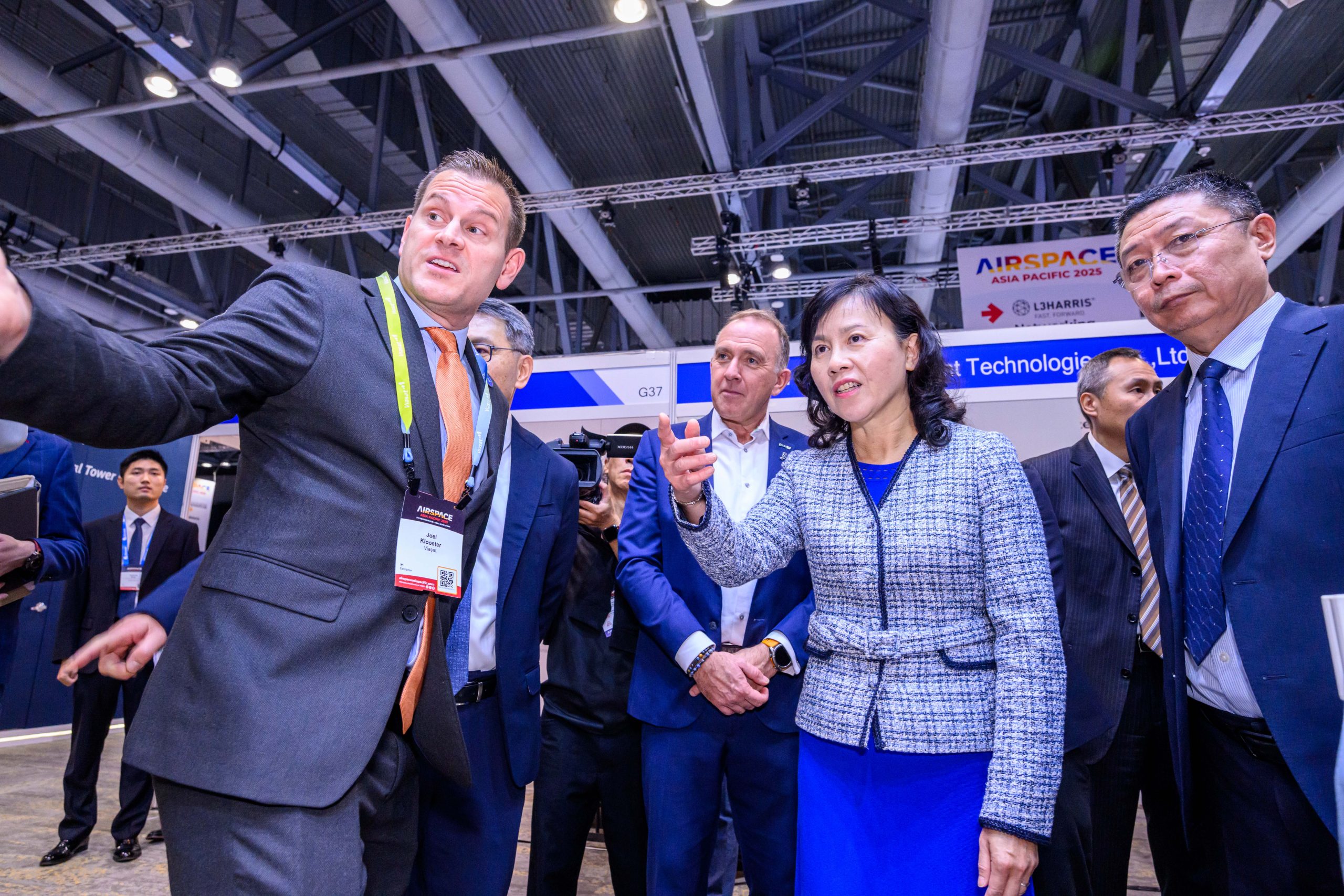
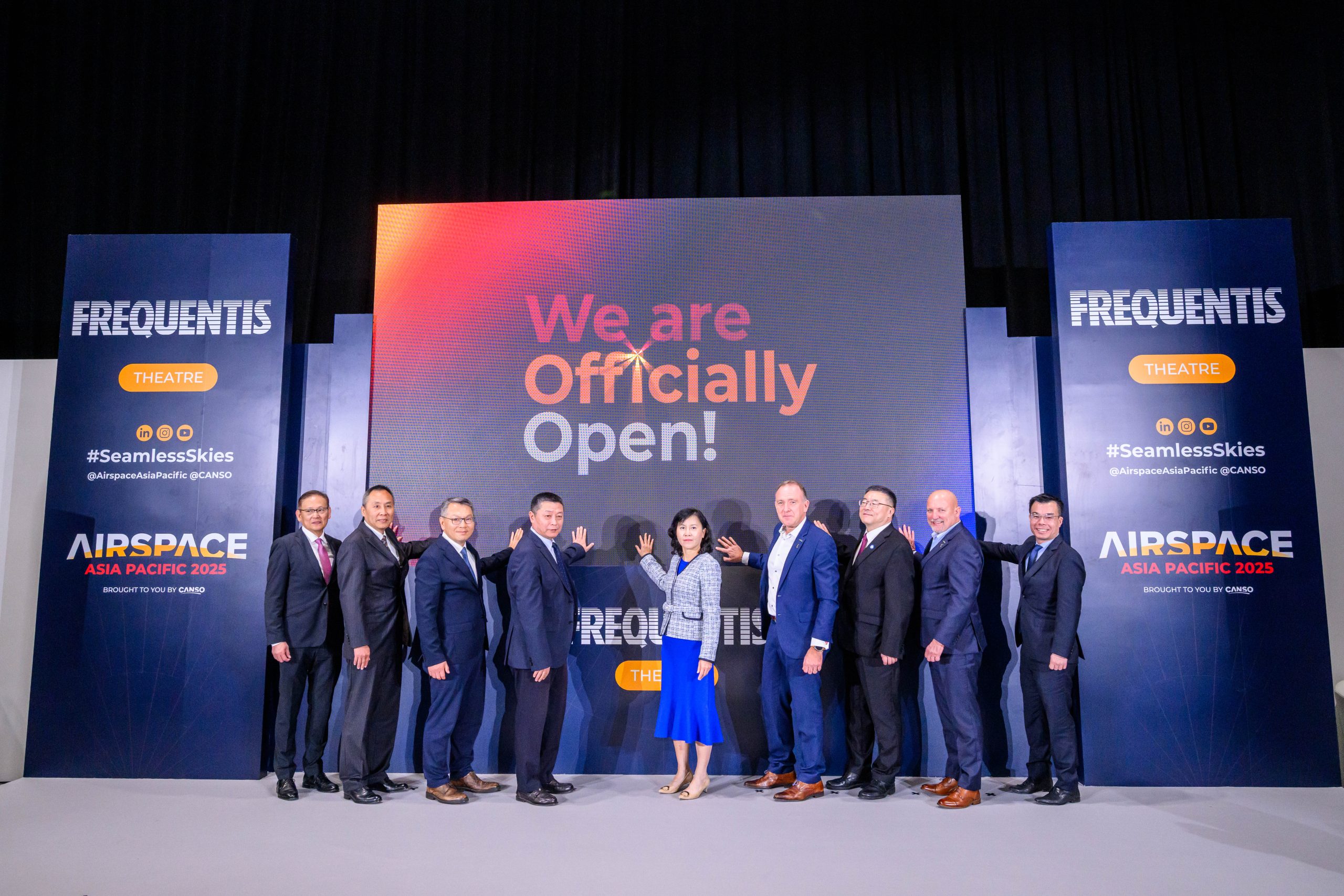
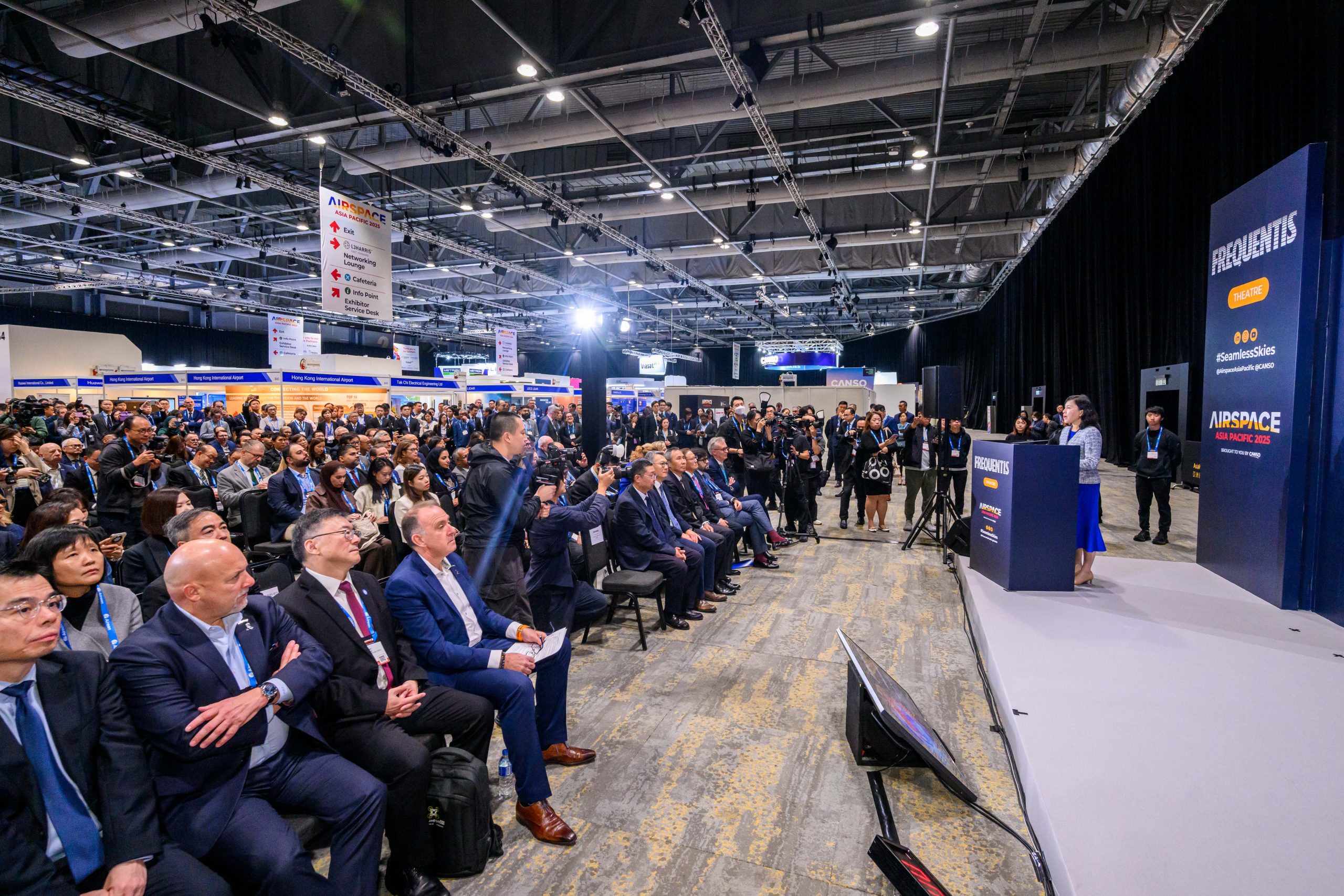
Airspace Asia Pacific 2025 opened with a strong message of regional collaboration and a shared ambition to shape the future of airspace management across Asia Pacific. Senior leaders from government, industry, and ANSPs gathered to mark the start of the event, which is bringing together the full aviation ecosystem to explore how innovation, integration, and partnership can deliver safer, more efficient, and more sustainable skies.
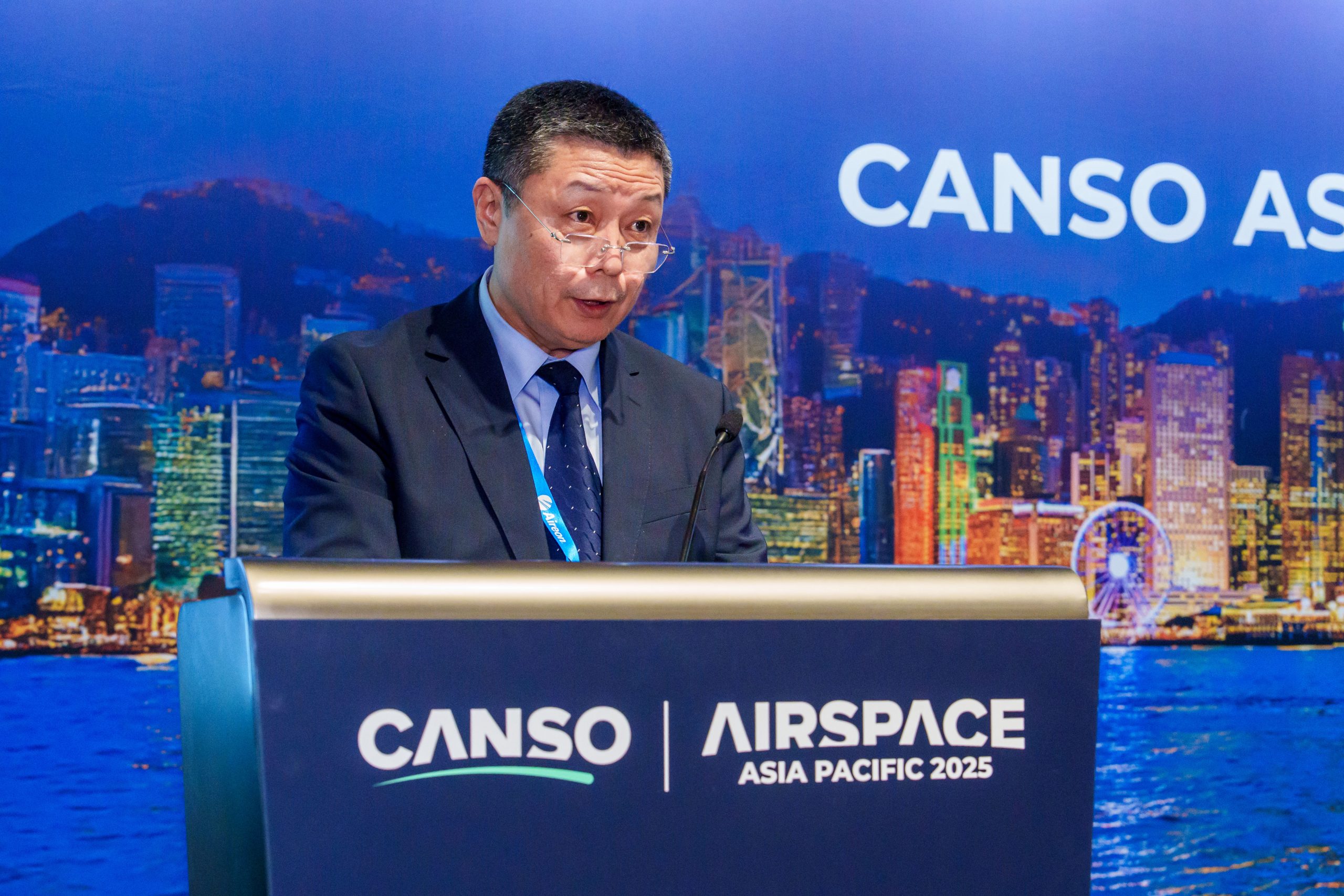
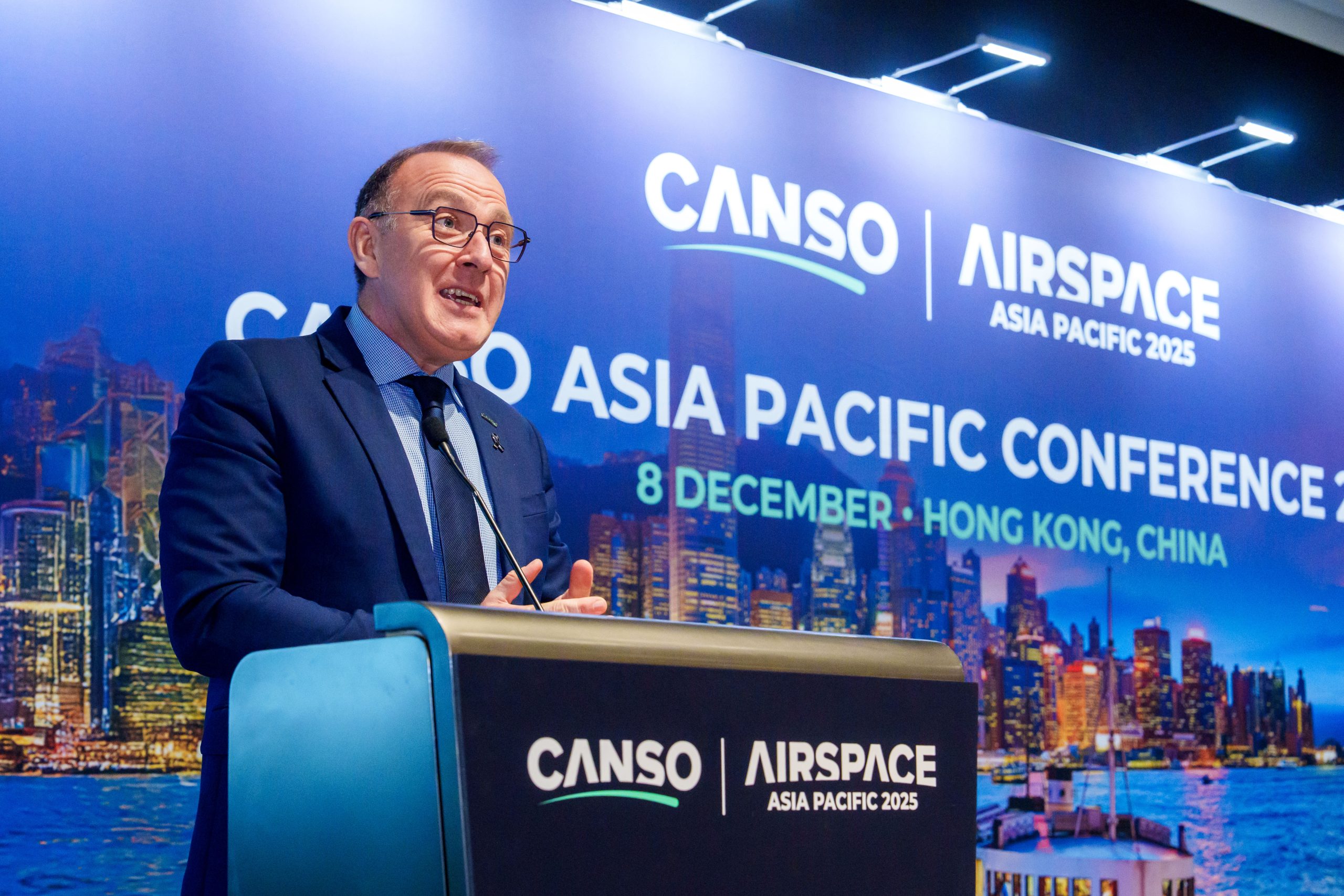
The Opening Ceremony featured remarks from Mabel Chan, Secretary for Transport and Logistics, Hong Kong Special Administrative Regional Government, Simon Hocquard, President and CEO, CANSO, and Miao Xuan, Director General ATMB, CAAC, with each highlighting the importance of working together to unlock the region’s full potential.
Speaking on behalf of Hong Kong, China, Ms Chan underlined the city’s leadership role in embracing new entrants and emerging technologies. “Hong Kong recognises the power of the lower-altitude economy if implemented in a safe and scalable way into existing airspace,” she said. She reiterated Hong Kong’s drive to collaborate across borders and disciplines, adding: “Hong Kong is fully committed to collaboration to ensure future skies offer unlimited opportunity.”
In his remarks, Simon explained how Airspace Asia Pacific came about, and the role it can play in shaping the region’s aviation industry. “Today marks the start of something new,” he said. “Just over a year ago, we imagined an event that would take the spirit of Airspace World and create a dedicated platform for the fastest-growing aviation region in the world.
“Asia Pacific is where aviation’s future is being shaped—through rapid traffic growth, major airport development, and increasingly complex airspace needs. And with such extraordinary growth comes extraordinary responsibility.
“Airspace Asia Pacific exists because this region deserves a place to come together, exchange ideas, and build solutions tailored to its unique challenges.”
Copyright © 2025
Platinum Sponsors:
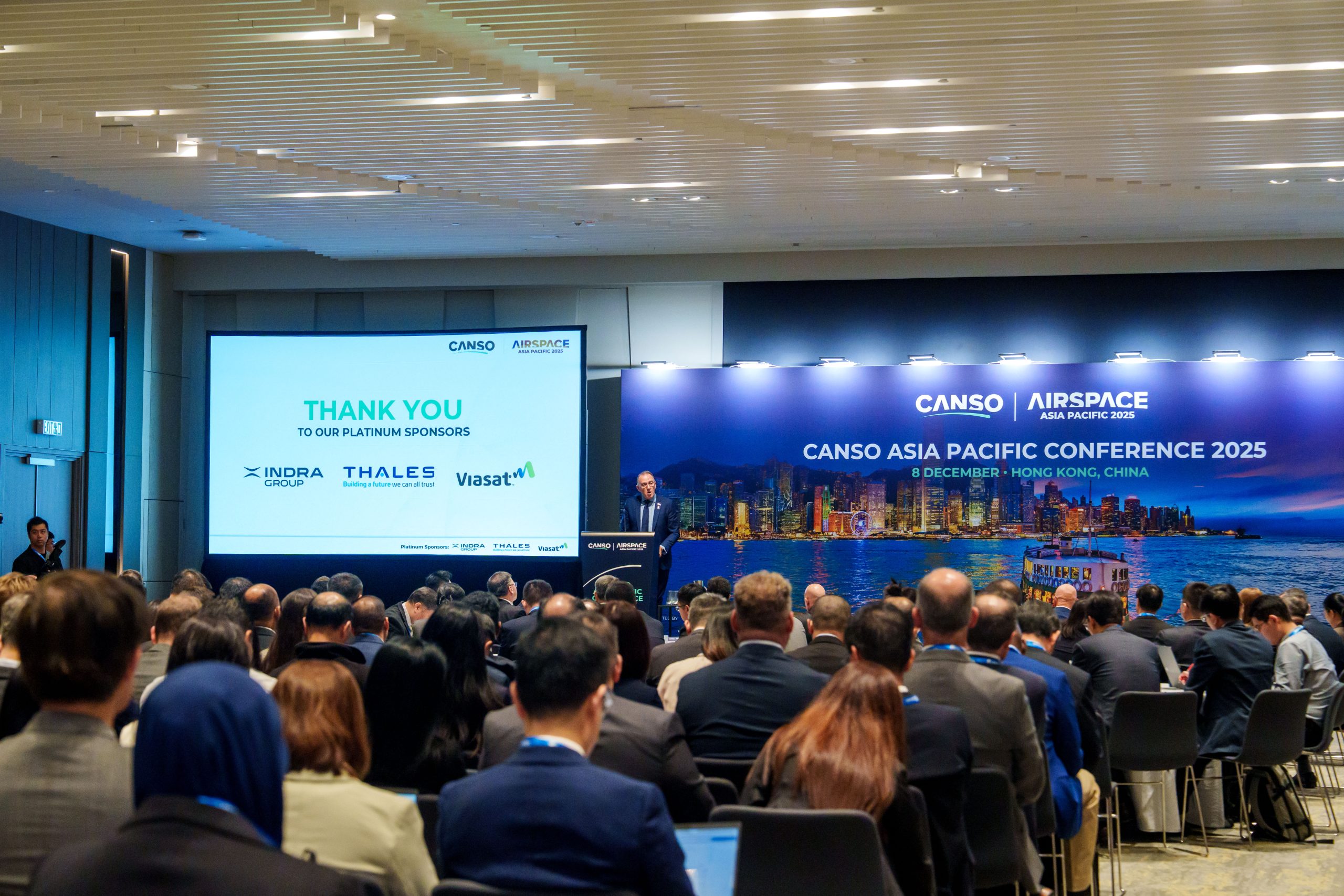
Hong Kong, China – 8 December 2025 – Aviation and meteorology leaders from across the Asia Pacific region gathered today at AsiaWorld-Expo in Hong Kong, China for the CANSO Asia Pacific Conference 2025, setting the stage for the official opening of Airspace Asia Pacific 2025 starting tomorrow, dedicated to strengthening collaboration, improving operational resilience, and shaping the region’s future skies.
Held under the theme “Seamless APAC Airspace – Aviation and Meteorology Integration,” the one-day conference brought together Directors General, CEOs, senior decision-makers, and technical experts from ANSPs, civil aviation authorities, meteorological services, airports, and research organisations.
The Conference opened with keynote remarks from Mr Ma Bing, Deputy Administrator, Civil Aviation Administration of China (CAAC), who emphasised the shared responsibility of aviation and meteorology authorities to safeguard regional airspace in the face of increasingly unpredictable weather patterns.
He was joined by CANSO’s President and CEO, Simon Hocquard, who highlighted the Asia Pacific region’s rapid growth and the need for deeper cooperation to ensure safety, efficiency, and sustainability.
Also delivering opening addresses were Mr Tao Ma, Regional Director, ICAO Asia Pacific Office; Mr Victor Liu, Director-General of the Hong Kong Civil Aviation Department (HKCAD); and Mr Han Kok Juan, Chair of the Asia Pacific CANSO CEO Committee (APC3) and Director-General of the Civil Aviation Authority of Singapore (CAAS).
Their combined perspectives underscored the region’s shared commitment to building an integrated, data-driven approach to airspace management.
With strong participation and high-level dialogue throughout the day, the CANSO Asia Pacific Conference 2025 successfully set the tone for Airspace Asia Pacific 2025, opening tomorrow at AsiaWorld-Expo. The exhibition will continue the week’s discussions with demonstrations, partner showcases, and industry engagement on the future of aviation in the region.
Copyright © 2025
Platinum Sponsors:
Following a strong start to Airspace Asia Pacific, our theatre programme for the afternoon of Wednesday 10 December and on Thursday 11 December continues the momentum with another set of high-impact sessions.
This afternoon and tomorrow’s programmes offer delegates a clear view of Asia Pacific’s priorities and an honest discussion of the challenges ahead. Whether focused on the future workforce, collaborative airspace use, or the continued rollout of ATFM, these sessions reflect the shared ambition of the region’s aviation community to build resilient, scalable, integrated skies.
Crucially, the sessions emphasise the value of cooperation — between civil and military communities, between states, between ANSPs and technology providers, and between today’s leaders and tomorrow’s professionals. Airspace Asia Pacific stands as a unique forum where these conversations can happen in a unified, constructive environment.
Here are your highlights for the rest of today (Wednesday 10 December). Don’t forget you can also see the full agenda here, or on the Airspace Asia Pacific app.
Civil–Military ATM Cooperation Through Digitalisation
Seamless Skies Theatre — 13:00–13:50
Civil–military cooperation is a recurring theme across APAC, where shared airspace and national requirements demand ever closer alignment. This session highlights how digital tools, data exchange, and shared situational awareness are transforming cooperation models — improving efficiency, resilience, and security.
Integrating Airport CDM and ATFM
Frequentis Theatre — 14:00–14:50
In this session, we turn our attention toward higher-performance airport operations. Speakers will discuss the challenges and solutions involved in integrating Airport Collaborative Decision-Making (A-CDM) with Air Traffic Flow Management (ATFM). Expect technical insight, case studies, and lessons learned from some of the region’s busiest hubs.
Day three highlights (Thursday 11 December)
Tomorrow’s Voices: The Next Generation of ATM Talent
Seamless Skies Theatre — 10:00–10:50
As demand for air travel returns and evolves, the ATM sector faces unprecedented workforce challenges. This session shines a spotlight on the emerging generation of air traffic professionals — their motivations, expectations, and the pathways needed to attract and retain them.
Expect perspectives from young professionals already shaping the system, alongside leaders working to redesign career journeys, training models, and skill-development frameworks. With APAC poised to become the world’s largest aviation market, strengthening the talent pipeline is not optional — it’s essential.
Building Tomorrow’s ATCO Workforce: Advancing Training Harmonisation for Asia-Pacific
Seamless Skies Theatre – 11:00-11:50
Asia Pacific’s air traffic growth is outpacing traditional training models, creating an urgent need for innovative, collaborative solutions to build the next generation of controllers. Industry talent forecasts indicate the region could require around 19,000 additional ATCOs over the next decade. Meeting this need calls for a forward looking approach that builds on the strengths of today’s ANSP training while creating greater interoperability. This panel examines the Centre of Excellence model that combines a common core, ICAO Competency-based aligned framework, aligned with local requirements to expand capacity, strengthen quality, and accelerate the adoption of advanced training technologies.
What’s Next for ATFM in APAC?
Seamless Skies Theatre — 12:00–12:50
Air Traffic Flow Management sits at the heart of efforts to build capacity, stability, and predictability across Asia Pacific’s increasingly busy skies. This forward-looking session examines new approaches, lessons learned, and the future direction of ATFM implementation across the region.
Delegates will hear how ANSPs, airports, and airlines are working together to refine demand-capacity balancing, improve traffic predictability, and expand interoperable ATFM networks — all essential to meeting regional growth.
Copyright © 2025
Platinum Sponsors:

Is your cockpit ready for the future of flight?
The aviation space is evolving rapidly. For airlines and air navigation service providers (ANSPs), the challenges are clear; meet rising demand, comply with environmental regulations and maintain uncompromising safety standards – all while improving operational efficiency. However traditional flight operations are struggling to keep up; reliant on static data and legacy systems, flight ops cannot deliver the agility required for a digital future. The answer lies in connected cockpits – a digital ecosystem that empowers pilots, airlines and ANSPs with real-time insights and smarter decision making.
Why connectivity is a game-changer
A connected cockpit is more than a technological upgrade; it’s a strategic enabler for the entire aviation value chain. By integrating secure IP-based communications, multi-link redundancy and real-time data exchange, connected cockpits deliver three critical benefits:
Enhanced safety
Smarter operations
Greater efficiency & sustainability
Real-world examples (show as key stats)
The APAC opportunity
Asia Pacific is projected to be the fastest-growing aviation marketing in the coming decade. With increasing air traffic and complex airspace management challenges, the need for connected, intelligent cockpits are urgent. Airlines that embrace these technologies now stand to gain a competitive edge delivering smarter, greener and more efficient operations while meeting the expectations of regulators and passengers alike.
The connected cockpit is more than a concept, it’s already here. These capabilities are not just about compliance – they unlock new efficiencies, reduce operating costs and pave the way for sustainable aviation.
Is your cockpit ready for the future?
Visit Viasat at Airspace World booth G46 and see how we can help you build smarter, greener skies.
Request a meeting: https://vsat.co/48vrXZY
Website: viasat.com
Copyright © 2025
Platinum Sponsors:
Here are some of the other main stories from Airspace Asia Pacific so far.
Copyright © 2025
Platinum Sponsors:
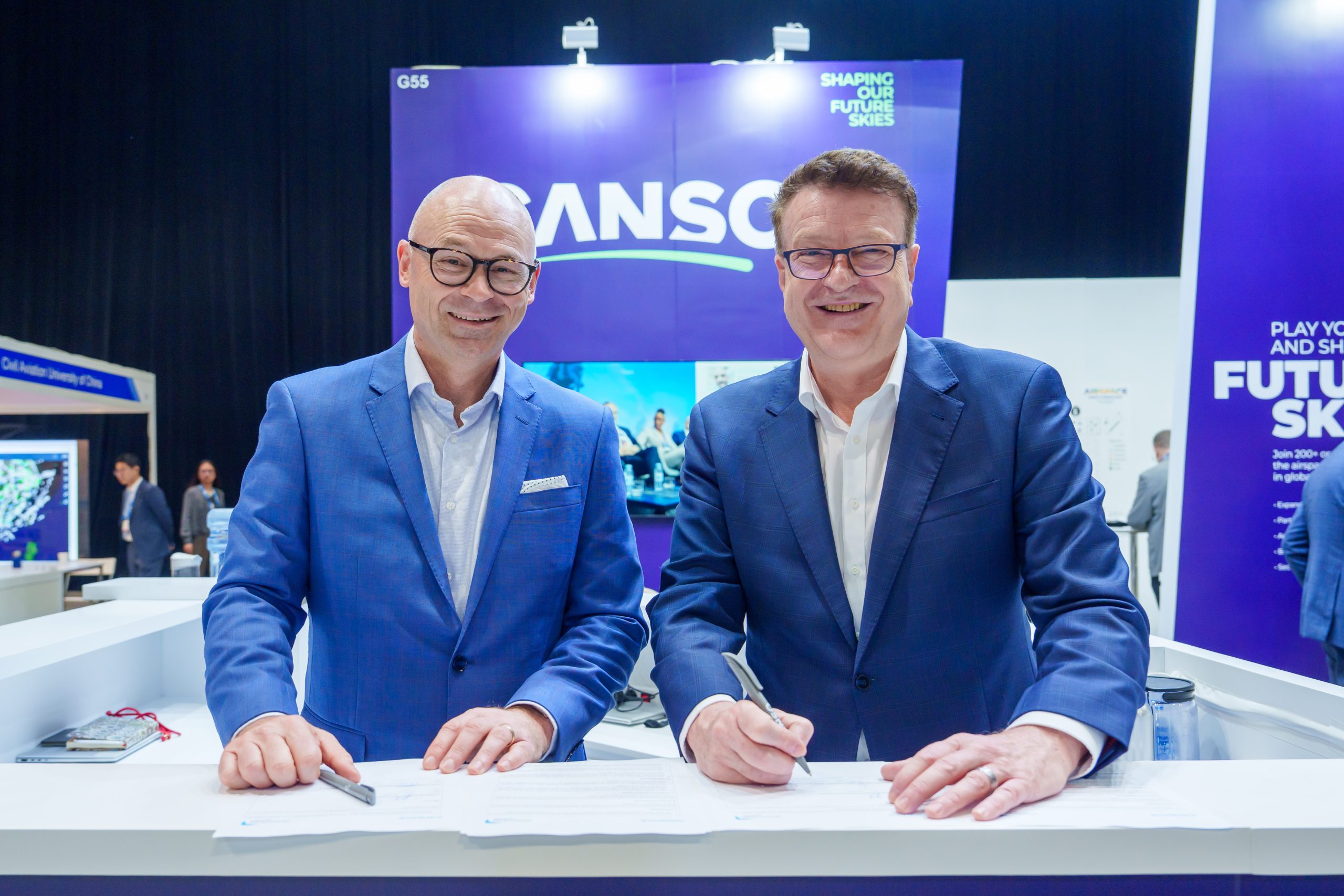
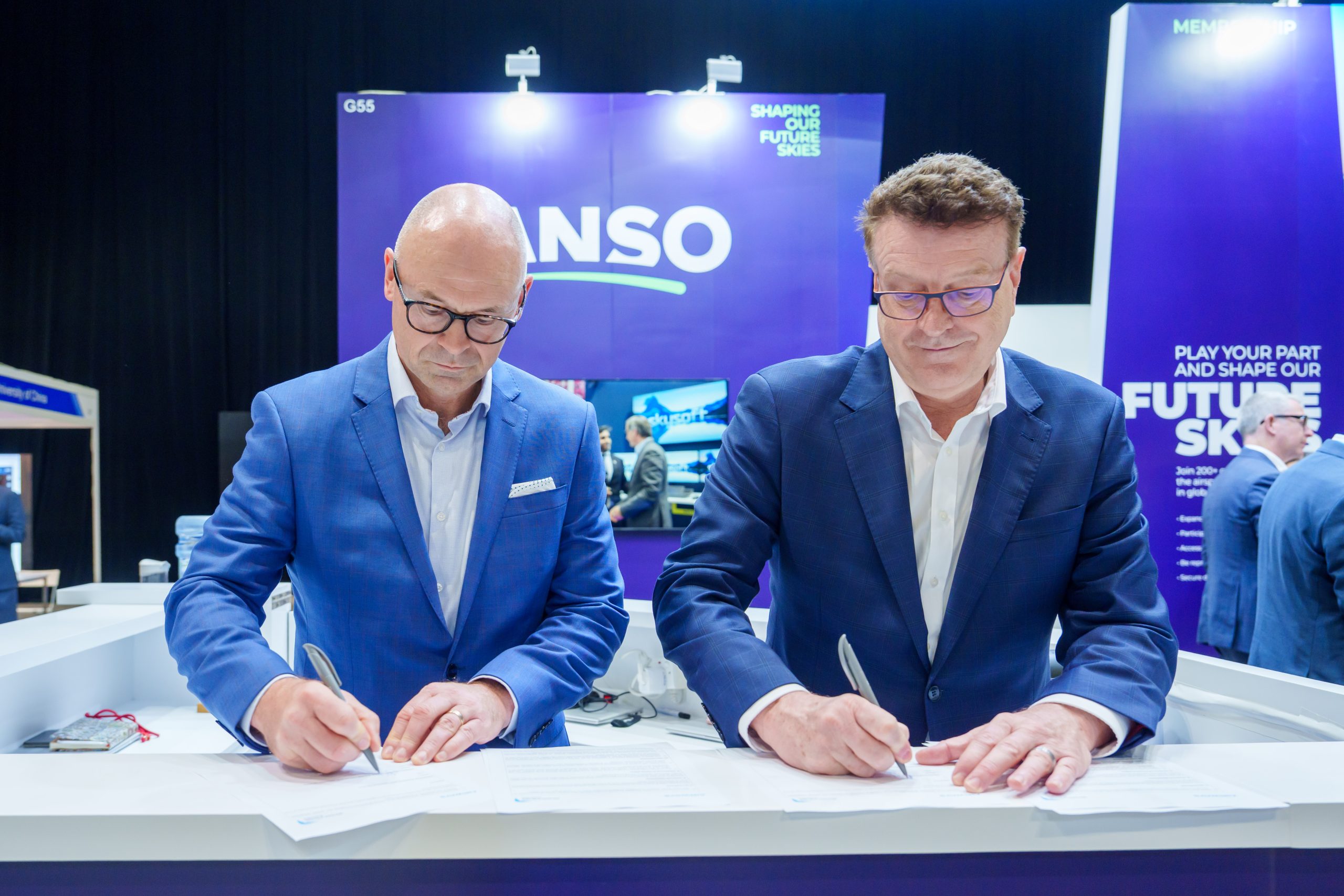
Airways New Zealand and Airservices Australia have signed a memorandum of understanding at Airspace Asia Pacific, aimed at strengthening the ties between the two companies to enhance the safety, efficiency and resilience of air traffic services across the region.
This MOU establishes a framework of enhanced cooperation between the neighbouring ANSPs, who will now collaborate on areas including operational contingency planning, innovation in air traffic management, workforce planning and training, and advanced safety analytics. Under the MOU Airways and Airservices will share knowledge and best practices, work on joint projects, and explore opportunities for secondments and joint training to build workforce capability and resilience.
Peter Curran, Deputy CEO Airservices Australia, said: “We’re trying to take a more strategic perspective on our relationship which is already strong on a day-to-day level. We’re looking at service resilience and workforce planning and some of the more strategic elements in the way we work.”
James Evans, Acting General Manager Commercial for Airways International, Airways’ commercial arm added: “We’re neighbours with a direct boundary halfway across the Tasman, our busiest route internationally, and we’ve been having continuing conversations about efficiencies and resilience in this airspace.”
“A lot of people talk about collaboration, but this MOU puts that into effect and unlocks those future benefits, harnessing our dual capabilities for the greater good.”
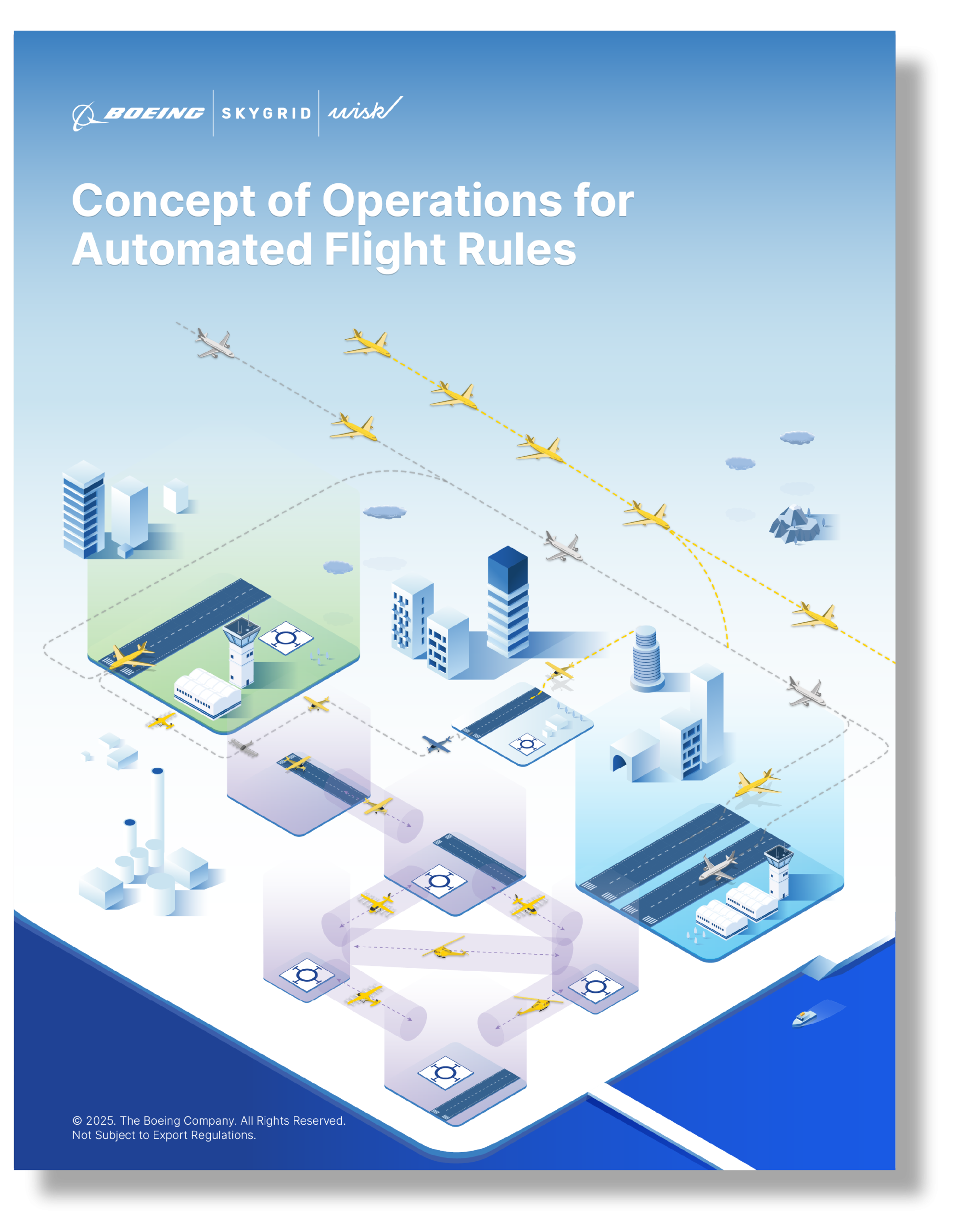
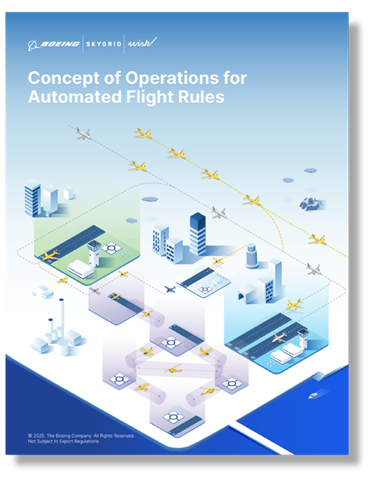
As the global aviation ecosystem rapidly evolves, driven by advanced automation, emerging aircraft types, and increasing airspace complexity, Boeing, SkyGrid, and Wisk have jointly introduced a Concept of Operations for Automated Flight Rules (AFR)—a foundational framework that defines how highly automated and uncrewed aircraft will integrate into the airspace of the future.
Soft-released during the CANSO Airspace Asia Pacific conference in Hong Kong, this milestone underscores the companies’ shared commitment to supporting regulators, Air Navigation Service Providers (ANSPs), and industry partners as they prepare for the next era of highly automated operations, which will include the integration of novel operations such as Advanced Air Mobility.
For nearly a century, aviation has relied on two primary operating modes: Visual Flight Rules (VFR) and Instrument Flight Rules (IFR). These frameworks have supported modern aviation’s safety, growth, and overall impact, yet they were not designed with highly automated aircraft in mind, such as those equipped with detect-and-avoid systems and advanced mission management automation. AFR is designed to address this gap by complementing, not replacing, VFR and IFR, and by being available to any properly equipped airspace user.
The AFR Concept of Operations proposes a new operating mode that:
For more than a decade, industry groups and regulators have explored what new flight rules might look like. Today, several forces are converging:
This creates a rare inflection point: aviation now has both the need and the technological readiness to introduce a new ruleset built with higher automation in mind.
The AFR Concept of Operations is designed to catalyze global dialogue and align the ecosystem—including ICAO, CAAs, ANSPs, operators, and technology providers—around a shared direction.
It offers:
Evolving the concept of Automated Flight will require coordinated industry action across technical research, standards development, policy advancement, and operational trials. Boeing, SkyGrid, and Wisk are committed to supporting a collaborative, global approach—one that ensures AFR evolves in alignment with safety, interoperability, and the public interest.
As aviation approaches a significant opportunity to evolve operations beyond existing paradigms, AFR represents a bold step forward in shaping a digital, automated, and scalable future for global airspace.
Read the Concept of Operations:

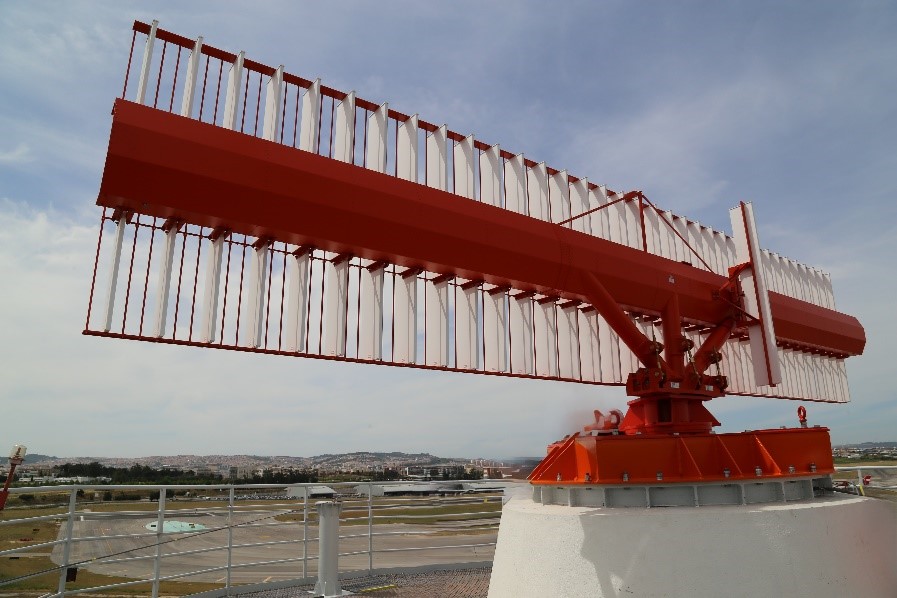
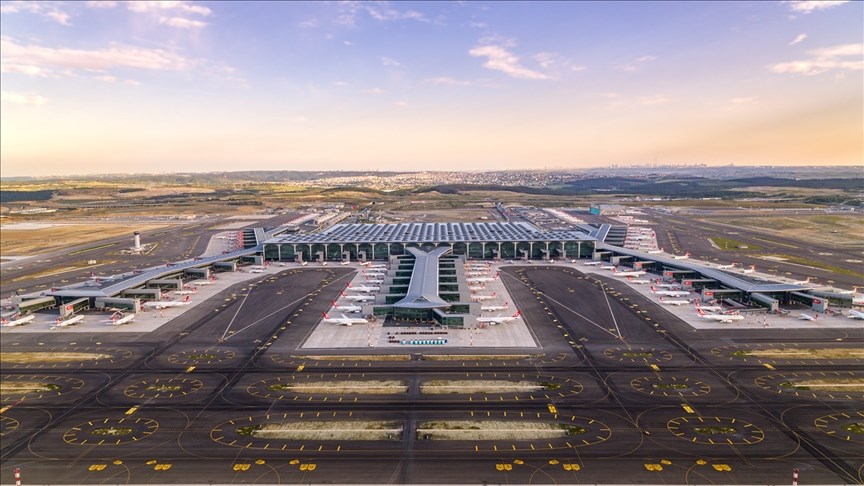
Thales, in collaboration with local partner Novatis, is upgrading the radar station at Lapangan Terbang Antarabangsa Senai airport in Johor Bahru, which is operated by the Civil Aviation Authority of Malaysia (CAAM). This modernization will enhance both approach surveillance at the airport and surveillance services at Kuala Lumpur Air Traffic Control Centre. With the addition of Thales’ RSM NG radar, the region will now benefit from two Thales radars systems, providing comprehensive coverage across both Peninsular Malaysia and East Malaysia. This ensures that air traffic controllers can track aircraft position seamlessly, regardless of the conditions.
Thales’ RSM NG secondary surveillance radar will replace the airport’s existing secondary radar with minimal service disruption, strengthening air traffic control at an airport that handles around 5 million passengers per year. Thales will manufacture, deliver and install the RSM NG along with its ADS-B system.
This new system will bring many benefits, including:
Thales will install two ADS-B stations as complementary surveillance solutions to enhance radar coverage and expand air traffic control (ATC) surveillance capabilities. This initiative aims to boost the safety and efficiency of air traffic control by providing enhanced detection and enabling better management of aircraft movements within the designated area.
With over 50 years’ experience in Air Traffic Control and Surveillance, and more than 1,200 radars operating around the globe, Thales is the trusted leader in this domain worldwide. In Southeast Asia, Thales has recently installed radars in Bangladesh, Cambodia, China, Malaysia, Sri Lanka, Taiwan and Thailand.
“Thales is delighted to support the Civil Aviation Authority of Malaysia in advancing its Digital Strategic Plan. This collaboration marks a significant step towards enhancing both operational efficiency and safety at Johor’s airport. With this new contract, we are reinforcing our commitment to the modernisation of air traffic management and to the long-term development of Malaysia’s aviation infrastructure." Lionel de CASTELLANE, Vice President Air Traffic Radars, Thales.
| About Thales Thales (Euronext Paris: HO) is a global leader in advanced technologies in advanced for the Defence, Aerospace and Cyber & Digital sectors. Its portfolio of innovative products and services addresses several major challenges: sovereignty, security, sustainability and inclusion. The Group invests more than €4 billion per year in Research & Development in key areas, particularly for critical environments, such as Artificial Intelligence, cybersecurity, quantum and cloud technologies. Thales has more than 83,000 employees in 68 countries. In 2024, the Group generated sales of €20.6 billion. About Thales in Malaysia Thales has been present in Malaysia for nearly 50 years. Headquartered in Kuala Lumpur and employing more than 100 people, 90% proudly Malaysian, Thales is a strategic partner for key players in the defence, security, aeronautics, as well as cybersecurity and digital identity sectors. For almost five decades, the company has played an essential role in the development of the local defence ecosystem and provides cutting-edge technological solutions to the aeronautics, banking, telecommunications, and public services sectors. |
[1] Mode S - Mode S is a Selective interrogation Mode allowing receiving precise information from the aircraft such as Aircraft ID, speed, altitude or flight status
1 ADS-B (Automatic Dependent Surveillance-Broadcast) is a co-operative surveillance system for real-time air traffic control.
Airways New Zealand and Airservices Australia have signed a Memorandum of Understanding (MOU) to strengthen collaboration on initiatives that enhance the safety, efficiency and resilience of air traffic services across the region.
The agreement, signed yesterday at the Civil Air Navigation Services Organisation (CANSO) Airspace Asia Pacific conference in Hong Kong, establishes a framework for cooperation in areas critical to the future of aviation. These include operational contingency planning, innovation in air traffic management, workforce planning and training, and advanced safety analytics.
Under the MOU, Airways and Airservices will share knowledge and best practices, explore joint projects, and coordinate contributions to regional and international forums such as ICAO and CANSO. The partnership also includes opportunities for secondments and joint training to build workforce capability and resilience.
Airways Chief Executive James Young says the agreement reflects a shared commitment to delivering safe skies today and tomorrow.
“This partnership enables us to combine expertise and resources to address common challenges and deliver innovative solutions for the aviation sector.”
“By working together, we can strengthen operational resilience and support the region’s future growth.”
Airservices Australia Chief Executive Rob Sharp says the MOU gives the two organisations a bilateral platform to jointly deliver significant outcomes for the region and mature air traffic management in the Asia-Pacific.
“The relationship we have with counterparts from New Zealand has strengthened considerably in the last 18 months and formalising our partnership under this MOU will enhance this collaboration,” he says.
Airways and Airservices currently engage in joint work in training and technology. Airservices’ air traffic controller (ATC) cohorts train in New Zealand and Airservices utilises Airways’ mobile ATC simulators for training in dispersed locations. The Australian provider has also adopted Airways’ SureSelect candidate assessment toolkit to strengthen its recruitment process.
For more information please contact:
Emma Lee, Senior External Communications Advisor
P: +64 21 438 243 E: communications@airways.co.nz
The Asia-Pacific aviation market is projected to grow by up to 72% by 2030. Thales and Aireon are partnering to identify, evaluate and develop operational concepts that will help ANSPs (Air Navigation Service Providers), airlines and airports across the APAC region improve traffic flow across the. airspace. This collaboration aims to help the industry prepare for rapid traffic growth and address the increasing congestion across some of the world’s busiest and most complex airspaces.
Thales is providing free access to its cloud-based TopSky-Flow platform, an advanced solution designed to help ANSPs manage traffic flow across their airspace and airports. The tool is powered by the AireonFLOW space-based ADS-B surveillance product.
This unique trial program will allow ANSPs to safely explore “what-if” operational scenarios, engage in collaborative discussions around real-world challenges, and strengthen coordination between ANSPs and airlines to optimise regional traffic flow.
The initiative builds on Thales’ “Better Skies for Asia” program, launched in 2024 in response to the CANSO Asia Pacific ATM Modernisation white paper, which provides direction and keys to APAC ANSPs in accelerating the modernisation of Air Traffic Management systems across the region.
“Airspace congestion is one of the most significant challenges faced by the aviation industry, particularly in fast-growing regions like Asia-Pacific. With 49 separate FIRs and no established multilateral collaboration framework beyond ICAO guidelines, real-time data sharing and coordinated traffic flow management remain difficult. By giving ANSPs the opportunity to experiment with new flow-management concepts in a safe, collaborative environment, we aim to strengthen inter-ANSP cooperation and help the region prepare for sustained, long-term growth.” Youzec Kurp, Vice President, Airspace Mobility Solutions, Thales.
“AireonFLOW is the market leading ATFM data stream for ANSPs, providing valuable insight into traffic into their airspaces. Our customers are reporting 20 percent better planning precision using the Aireon data. Aireon’s gold-standard data combined with the innovative Thales platform has the potential to bring unprecedented operational efficiency to the Asia-Pacific region.” Peter Cabooter, Aireon Executive Vice President of Customer Affairs.
For more information on Thales’ ATM solutions Airspace Management | Thales Group.
Thales is present at Airspace Asia Pacific (9-11 December) taking place at AsiaWorld-Expo in Hong Kong, China.
| About Thales Thales (Euronext Paris: HO) is a global leader in advanced technologies for the Defence, Aerospace, and Cyber & Digital sectors. Its portfolio of innovative products and services addresses several major challenges: sovereignty, security, sustainability and inclusion. The Group invests more than €4 billion per year in Research & Development in key areas, particularly for critical environments, such as Artificial Intelligence, cybersecurity, quantum and cloud technologies. Thales has more than 83,000 employees in 68 countries. In 2024, the Group generated sales of €20.6 billion. About Aireon LLC Aireon has deployed a space-based air traffic surveillance system for Automatic Dependent Surveillance-Broadcast (ADS-B) equipped aircraft throughout the entire globe. Aireon is harnessing next-generation aviation surveillance technologies that were formerly ground-based and, for the first time ever, is extending their reach globally to significantly improve efficiency, enhance safety, reduce emissions, and provide cost savings benefits to all stakeholders. Space-based ADS-B surveillance covers oceanic, polar, and remote regions, and augments existing ground-based systems that are limited to terrestrial airspace. In partnership with leading ANSPs from around the world, like NAV CANADA, AirNav Ireland, ENAV, NATS and Naviair, as well as Iridium Communications, Aireon is providing a global, real-time, space-based air traffic surveillance system, available to all aviation stakeholders. For more information, please visit www.aireon.com. |
Air Traffic Control the Netherlands (LVNL) has once again achieved level 3 in CANSO's GreenATM accreditation programme. The accreditation confirms that LVNL is still on its established course towards sustainability and has further improved its efforts. The announcement was made last Wednesday, date, following the GreenATM panel’s review.
The renewed accreditation follows an extensive assessment process in which LVNL demonstrated compliance with the specific requirements for 18 topics. Air traffic control organisations must repeat this process during the first two years after their initial accreditation, after which their accreditation remains valid for 3 years. LVNL has now completed this successfully for the second consecutive year.
The organisation was not only able to substantiate its current performance levels, but also demonstrated clear progress in several areas, including the following:
What is the GreenATM programme?
CANSO's GreenATM programme, launched in 2022, independently assesses air traffic control organisations on their commitment to sustainability and efficiency. The five levels, from 1 to 5, are linked to ambitious targets for both internal organisation and airspace management. More information can be found on CANSO's website.
Indra, a global leader in the development of Air Traffic Management systems, is at the forefront of modernising airspace operations and shaping the future of aviation with solutions that enable safer, more efficient, and sustainable skies. With decades of expertise and a strong commitment to innovation, Indra is transforming the way air traffic is managed, bringing cutting-edge technology to the skies and enabling smarter, more connected airspaces.
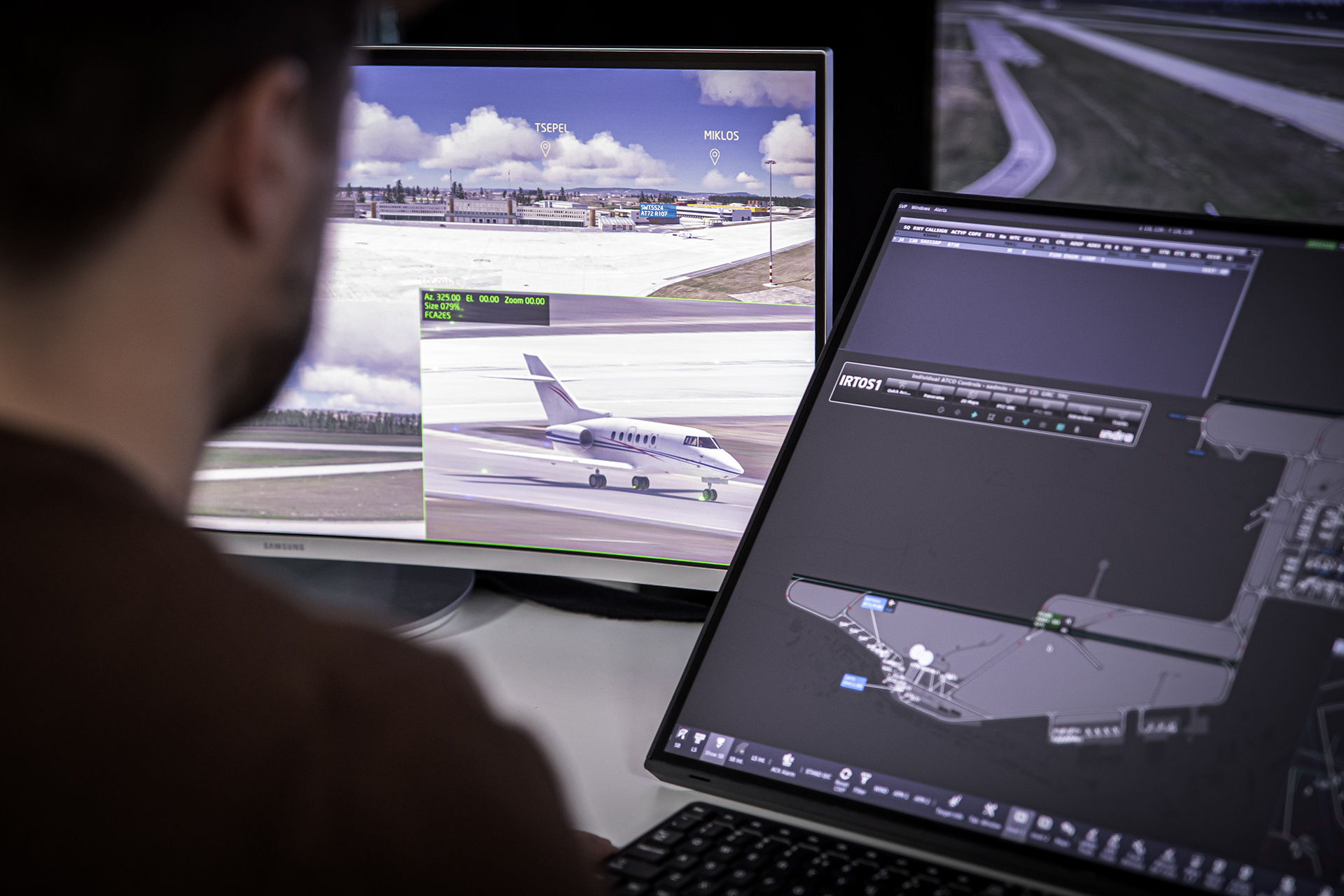
As part of this vision, digital towers represent a significant leap forward in air traffic management. These innovative systems are not just a technological upgrade; they are a paradigm shift that redefines the very way we manage airports and air traffic. Moving away from traditional control towers, digital towers empower air traffic controllers with enhanced, real-time situational awareness through the use of high-definition cameras, sensors, and integrated data.
The potential of digital towers goes far beyond simply replacing traditional structures. They offer a more connected and efficient way of managing air traffic, allowing controllers to monitor multiple airports from a single, remote location. This means that airports—whether bustling international hubs or quieter regional airfields—can benefit from a unified, streamlined air traffic management system that enhances safety and operational efficiency.
The Power of Remote Control: A New Era in Air Traffic Management
One of the most compelling aspects of digital towers is their ability to provide remote control. This revolutionary capability allows airports to operate more flexibly and cost-effectively. No longer is there a need to build and maintain multiple physical towers at each airport; instead, a single control center can manage operations at several airports simultaneously, optimizing resources and improving the overall air traffic flow.
Indra has been a pioneer in implementing digital tower solutions, providing airports with the tools they need to meet the growing demands of the aviation industry. By integrating AI, sensors, and real-time data, Indra’s digital towers offer an unparalleled level of situational awareness. Controllers are no longer confined to a limited view from a single tower; instead, they can access comprehensive, high-definition views of the entire airfield and its surroundings, ensuring they are always in control, regardless of their physical location.
This technology also enhances the safety and efficiency of air traffic management. The integration of advanced analytics and AI-driven systems helps identify potential risks before they escalate, reducing human error and allowing controllers to respond to incidents with greater speed and accuracy. From tracking aircraft movements to monitoring ground operations, digital towers provide real-time data that helps make informed decisions, ensuring smoother, safer air traffic operations.
A Cost-Effective and Scalable Solution for Airports
Digital towers also offer significant cost savings for airports. The cost of building and maintaining traditional control towers is substantial, especially for smaller airports or those with fluctuating air traffic volumes. With digital towers, these costs are dramatically reduced. Airports can centralize operations and scale their air traffic management services without the need for additional infrastructure. This approach allows them to adapt quickly to changing demands, increasing capacity without incurring unnecessary costs.
Furthermore, digital towers offer remarkable flexibility. Whether it's a regional airport that needs to monitor air traffic during peak periods or a large international hub that requires high-traffic management, digital towers can be easily scaled and adapted to fit the needs of any airport. Indra’s digital tower solutions are designed with this flexibility in mind, ensuring that airports of all sizes can benefit from the same level of advanced technology and operational efficiency.
Driving Innovation with AI and Advanced Technologies
Artificial intelligence plays a central role in the functionality of Indra’s digital towers. AI-driven systems help air traffic controllers monitor and manage air traffic with unprecedented accuracy. AI can identify anomalies in aircraft configurations, such as issues with landing gear or flaps, and immediately notify controllers, allowing them to take prompt action. Additionally, AI-powered vision systems autonomously track aircraft, vehicles, and personnel, further enhancing security and operational efficiency.
Indra is also introducing a state-of-the-art "A-SMGCS Integrated Digital Remote Tower Platform" that will create a new paradigm of tower control operations in large airports by blurring the border between head-up and head-down activities. This innovation combines traditional air traffic control practices with cutting-edge digital technology, offering controllers a more intuitive and efficient workflow, which significantly enhances operational capabilities.
As the aviation industry moves toward greater automation, AI and other advanced technologies will continue to play a pivotal role in shaping the future of air traffic management. Indra is committed to leading this technological transformation, helping airports across the globe leverage the full potential of digital towers to improve safety, increase capacity, and reduce costs.
A successful Global Impact
Indra’s impact on the global aviation industry is clear, with digital towers already in operation at several key airports around the world. The company’s collaboration with Budapest International Airport is a prime example of how digital towers are revolutionising air traffic management. In this project, Indra helped implement a state-of-the-art system that combines advanced camera technology, AI, and surface movement systems to provide real-time situational awareness and improve operational safety.
In Norway, the NINOX program is one of the largest multi-airport digital tower projects in the world. Managed from a central control center, this initiative involves remote control of 21 airports, demonstrating the scalability and effectiveness of digital towers in handling complex, multi-airport operations.
Al-Ula International Airport in Saudi Arabia is operating fully remotely thanks to the digital tower system developed by Indra and SANS (Saudi Air Navigation Services), together with NERA, its technological solutions and services division. It will be the first airport in the Middle East to incorporate this innovative technology, which enables controllers to manage take-offs and touchdowns via a control center located 550 kilometers from the runway in Jeddah with the highest levels of safety and efficiency.
The digital tower utilizes advanced technologies such as artificial intelligence, machine learning, and real-time data analytics to provide unparalleled control and monitoring capabilities.
Indra is one of the world’s leading global technology companies in air traffic, defence, and space, with over three decades of experience delivering innovative air traffic management (ATM) solutions in more than 90% of the world’s countries. Building on this legacy, Indra is helping shape the future of aviation with cutting-edge technologies that make skies safer, more efficient, and more sustainable.
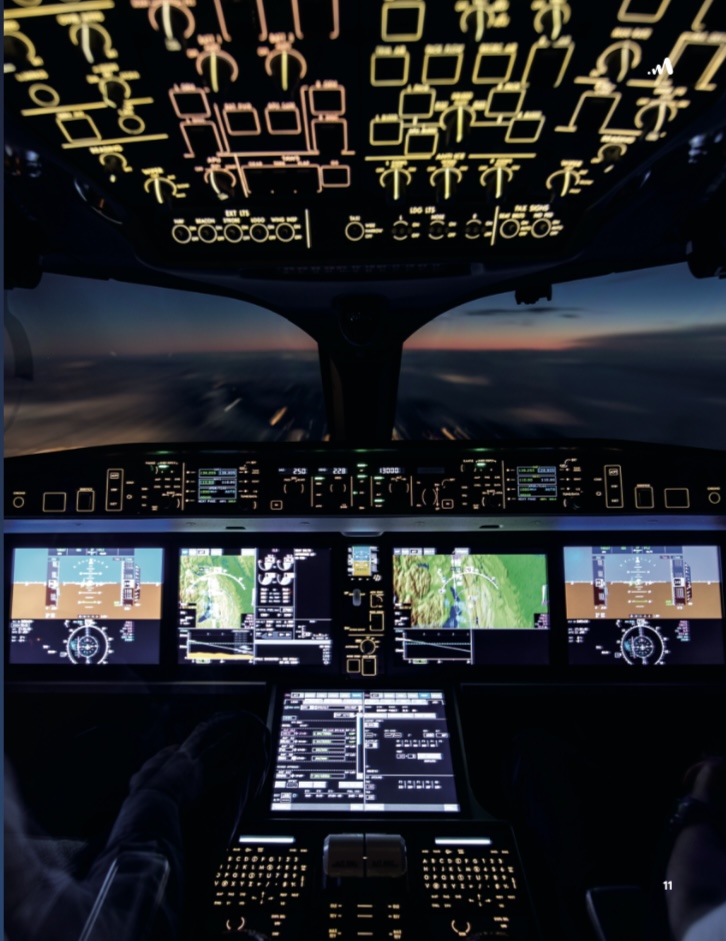
Is your cockpit ready for the future of flight?
The aviation space is evolving rapidly. For airlines and air navigation service providers (ANSPs), the challenges are clear; meet rising demand, comply with environmental regulations and maintain uncompromising safety standards – all while improving operational efficiency. However traditional flight operations are struggling to keep up; reliant on static data and legacy systems, flight ops cannot deliver the agility required for a digital future. The answer lies in connected cockpits – a digital ecosystem that empowers pilots, airlines and ANSPs with real-time insights and smarter decision making.
Why connectivity is a game-changer
A connected cockpit is more than a technological upgrade; it’s a strategic enabler for the entire aviation value chain. By integrating secure IP-based communications, multi-link redundancy and real-time data exchange, connected cockpits deliver three critical benefits:
| Enhanced safety | Smarter operations | Greater efficiency & sustainability |
| Real-time situational awareness through access to 4D weather data enables pilots to navigate turbulence and storms with confidence. Continuous monitoring via connected Quick Access Recorders (QAR) and aircraft health monitoring systems provides proactive alerts. Built-in cyber security with PKI encryption and IPSEC VPN help keep Air Traffic Services (ATS) communications secure and segregated. | Connected Electronic Flight Bags (EFBs) allow dynamic flight planning as pilots can adjust routes based on live conditions. Real-time messaging and IP voice enable advanced AOC communications to improve disruption management and crew coordination. Trajectory-based operations are supported by ADS-C Extended Projected Profile (EPP) for precise navigation and reduced congestion. | Flight Profile Optimization can reduce fuel burn by between 1-3% cutting both costs and emissions. Smarter climbs and optimized cruising altitudes reduce environmental impact minimizing unnecessary fuel consumption. Connected cockpits will help airlines with regulatory compliance meeting growing carbon reduction mandates and societal obligations. |
Real-world examples (show as key stats)
| Over 650 aircraft are already flying with SwiftBroadband-Safety (SB-S) connectivity, proving its reliability and scalability. | Viasat’s latest satellite-based communications Iris-enabled datalink services have been live since early 2024, supporting ATN B2 applications and multi-link capability for added resilience. | Next-generation fleets are adopting these solutions now to meet evolving ATN requirements and unlock future-ready capabilities. |
The APAC opportunity
Asia Pacific is projected to be the fastest-growing aviation marketing in the coming decade. With increasing air traffic and complex airspace management challenges, the need for connected, intelligent cockpits are urgent. Airlines that embrace these technologies now stand to gain a competitive edge delivering smarter, greener and more efficient operations while meeting the expectations of regulators and passengers alike.
The connected cockpit is more than a concept, it’s already here. These capabilities are not just about compliance – they unlock new efficiencies, reduce operating costs and pave the way for sustainable aviation.
Is your cockpit ready for the future?
Visit Viasat at Airspace World booth G46 and see how we can help you build smarter, greener skies.
Request a meeting: https://vsat.co/48vrXZY
Website: viasat.com
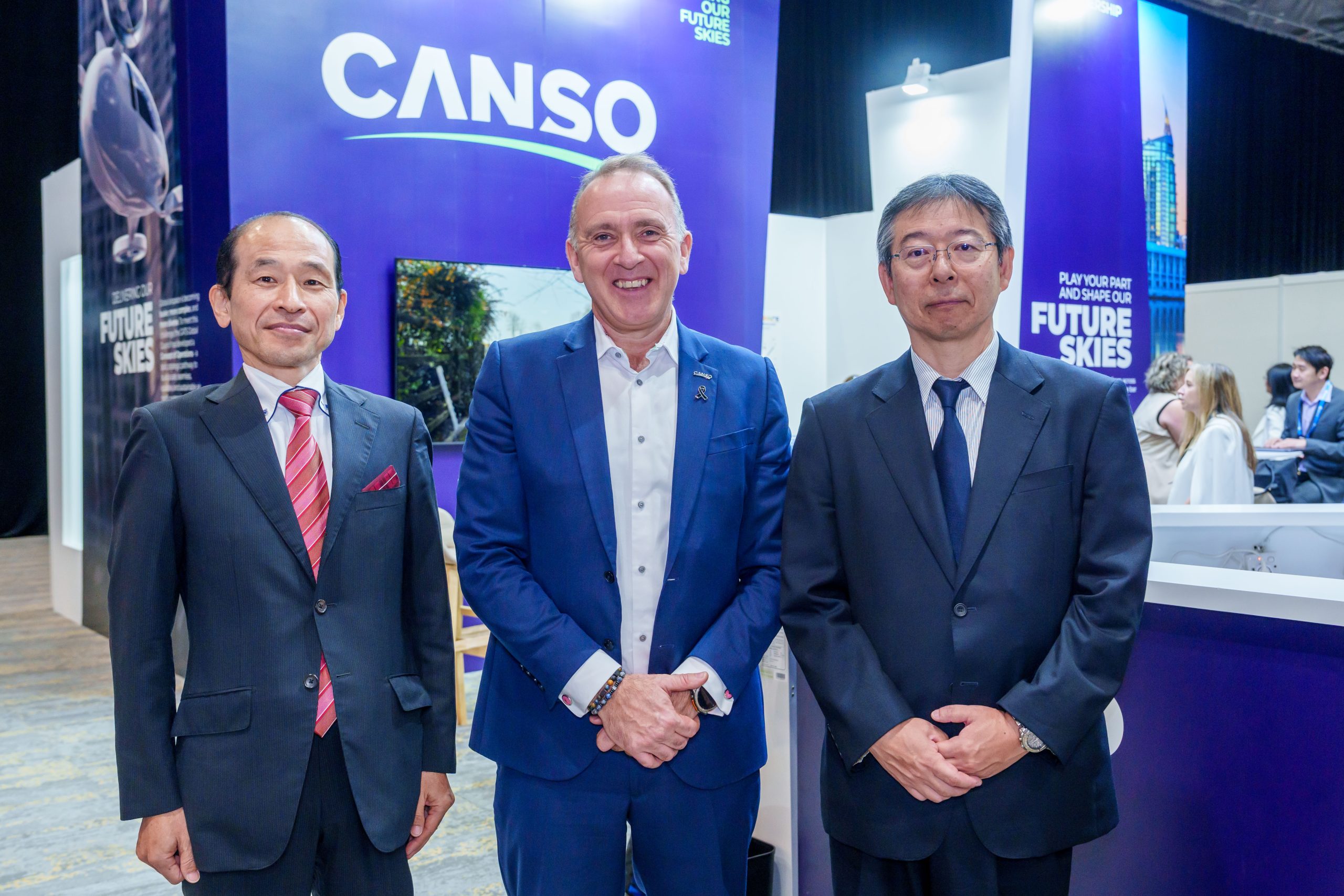
Hong Kong, China – 9 December 2025 – The Civil Air Navigation Services Organisation (CANSO) is pleased to announce that the Electronic Navigation Research Institute (ENRI) has joined as its newest Research and Academia Member. The membership was formally welcomed today during the opening of Airspace Asia Pacific 2025, the landmark airspace management exhibition convening Asia Pacific aviation leaders - including Air Navigation Service Providers (ANSPs), airlines, regulatory authorities, research organisations, academia and technology providers.
ENRI’s inclusion in CANSO’s Research and Academia membership reflects a deepening commitment to bridging research excellence and operational air traffic management (ATM) practice. As a leading Japanese research institute specialising in ATM, communication, navigation, surveillance (CNS), and advanced air navigation technologies, ENRI can bring critical expertise that will enhance CANSO’s capacity to anticipate and address future challenges across global airspace.
By joining CANSO, ENRI will gain access to a global network of ANSPs, and industry stakeholders, offering opportunities to contribute research findings, collaborate on innovation roadmaps, and support the evolution of safe, efficient, and harmonised skies worldwide.
The announcement was made at Airspace Asia Pacific 2025, which this year convenes key stakeholders from across the Asia-Pacific airspace community: “We are delighted to welcome ENRI to the CANSO community,” said Simon Hocquard, CANSO’s President and CEO. “The timing of their membership could not be more appropriate: as the aviation community grapples with rapid technological change, evolving traffic patterns, and new airspace users such as drones, eVTOLs, UTM, research, innovation, and cross-stakeholder collaboration are more important than ever.”
“Joining CANSO offers us a unique opportunity to bridge our research efforts with real-world ATM challenges,” commented Sonosuke Fukushima, Director General of ENRI. “We look forward to collaborating with diverse stakeholders worldwide to shape the future of safe, efficient and sustainable skies.”
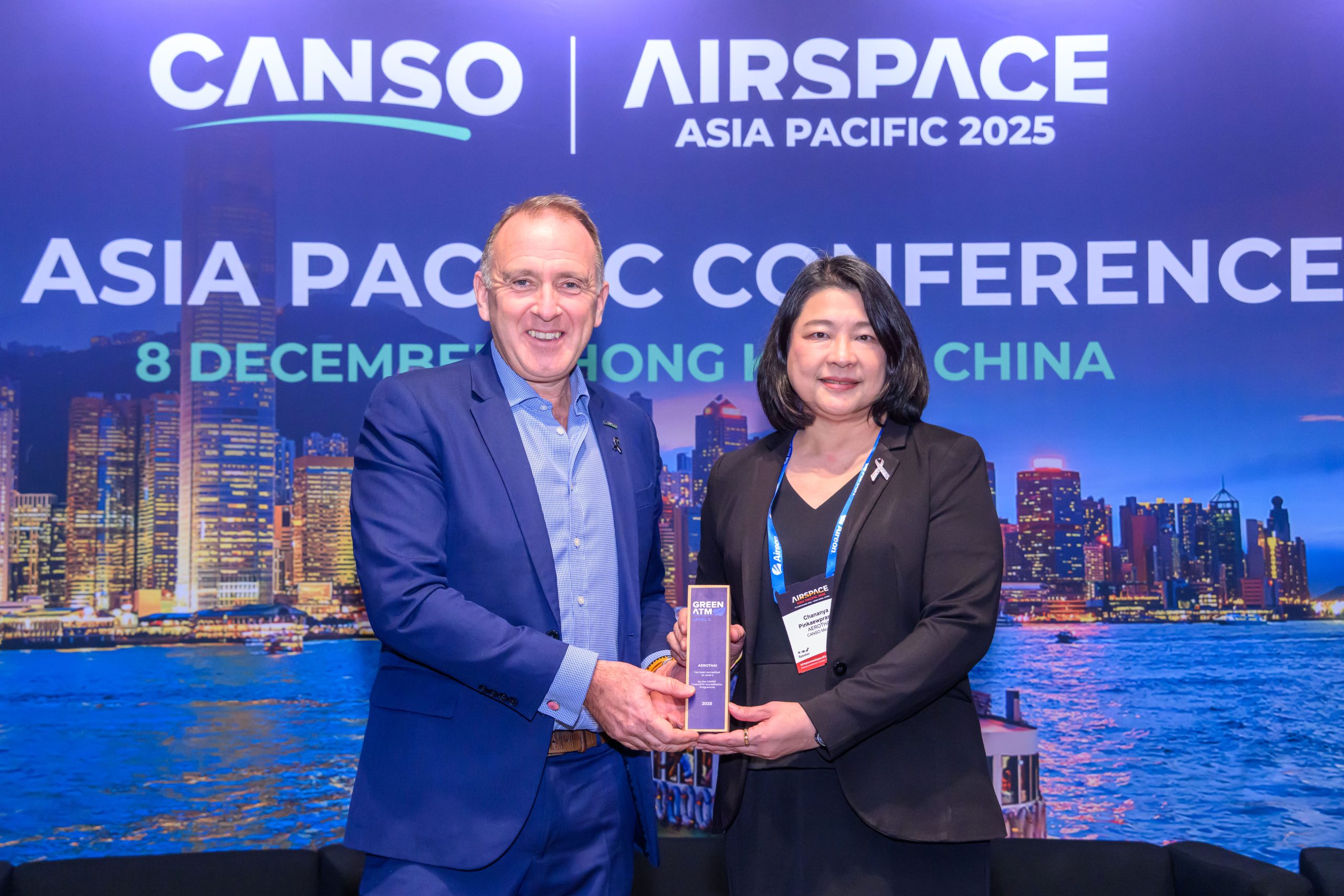
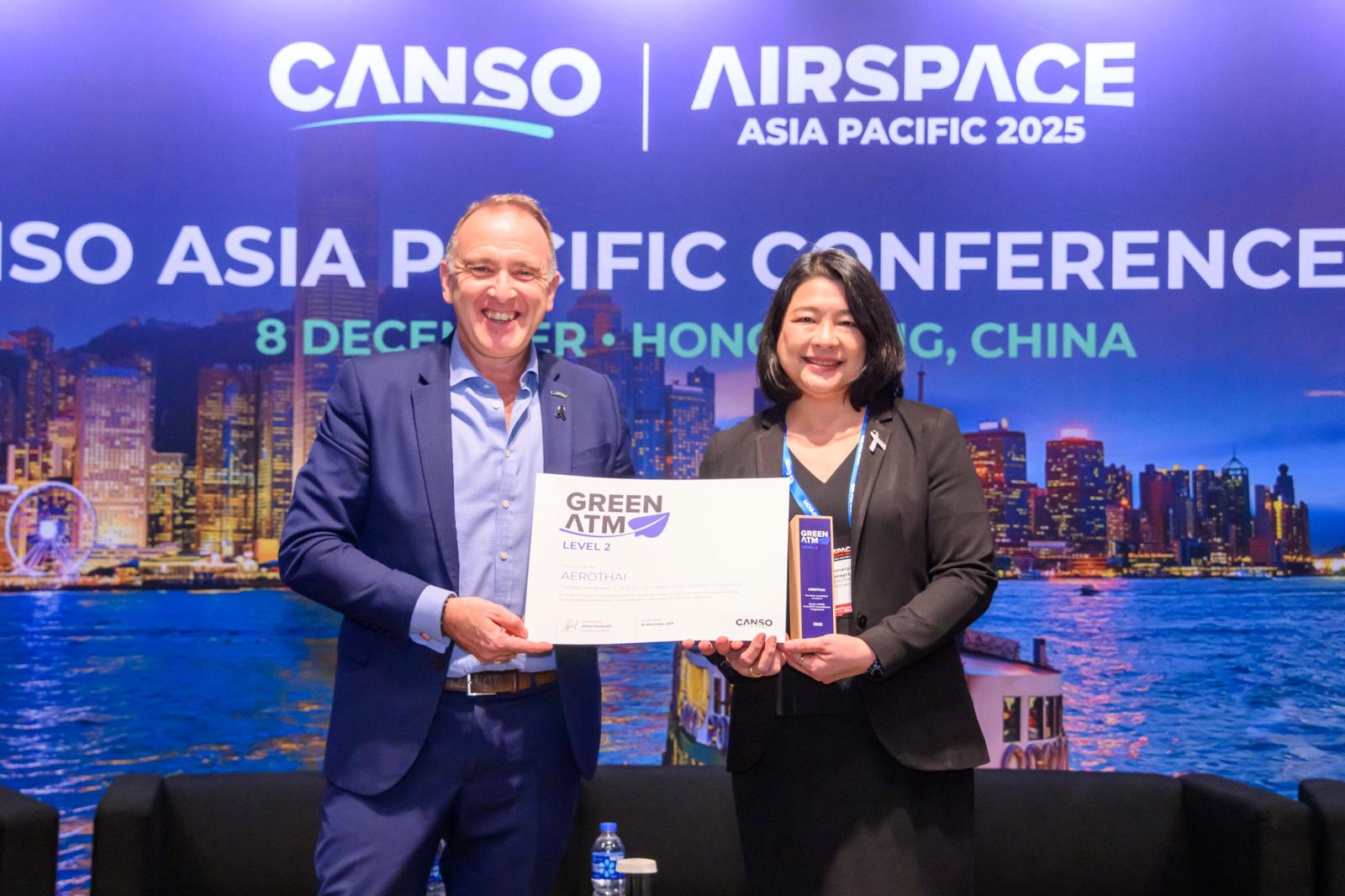
Hong Kong - 9 December 2025 - AEROTHAI has been recognised for its strong commitment to environmental responsibility by achieving Level 2 accreditation in CANSO’s environmental accreditation GreenATM programme - becoming the first air navigation service provider (ANSP) in the Asia Pacific region to reach this milestone.
Launched in 2022, CANSO’s GreenATM framework provides a global benchmark to assess and guide ANSPs in improving environmental performance through operational efficiency and sustainable practices. The programme consists of five levels, each representing deeper integration of environmental management into an organisation’s strategy, operations, and culture.
AEROTHAI’s Level 2 assessment highlighted the organisation’s strong foundations in environmental awareness, planning and policy.
The ANSP received full points across all Level 1 categories and presented a comprehensive set of initiatives - many of which are already in progress - to further reduce aviation’s environmental impact.
With continued emphasis on monitoring and measuring benefits, AEROTHAI is well-positioned to progress toward Level 3 in the coming years.
The assessment also praised AEROTHAI’s leadership in Air Traffic Flow Management (ATFM) and Research and Development (R&D), noting high marks that reflect long-term commitment and regional influence in both areas.
Mr. Surachai Nuprom, Executive Vice President and Acting President of AEROTHAI, said: “The aviation sector is committed to sustainability, a commitment that AEROTHAI fully shares. AEROTHAI focuses on eco-efficiency, integrating environmental responsibility into every aspect of our operations. We work towards improving efficiency in air traffic management, especially in terms of air traffic flow management, flexible use of airspace, performance-based navigation and take an active role in research and development. We also encourage environmental awareness throughout the organization including community engagement in sustainable practices. Achieving Level 2 in CANSO’s GreenATM accreditation represents a significant milestone for AEROTHAI in advancing our sustainability objectives, in alignment with regional and global environmental goals. We remain committed to actively improving our operations and working closely with stakeholders and airspace users towards more sustainable aviation.”
Simon Hocquard, CANSO President and CEO, congratulated AEROTHAI on the achievement: “AEROTHAI’s strong performance in the GreenATM programme reflects a deep and genuine commitment to environmental progress. Their leadership in ATFM and R&D is setting an example not only for the region but for the global aviation community. We are delighted to see AEROTHAI reach this important milestone and look forward to supporting them as they continue their sustainability journey.”
Copyright © 2025
Platinum Sponsors:
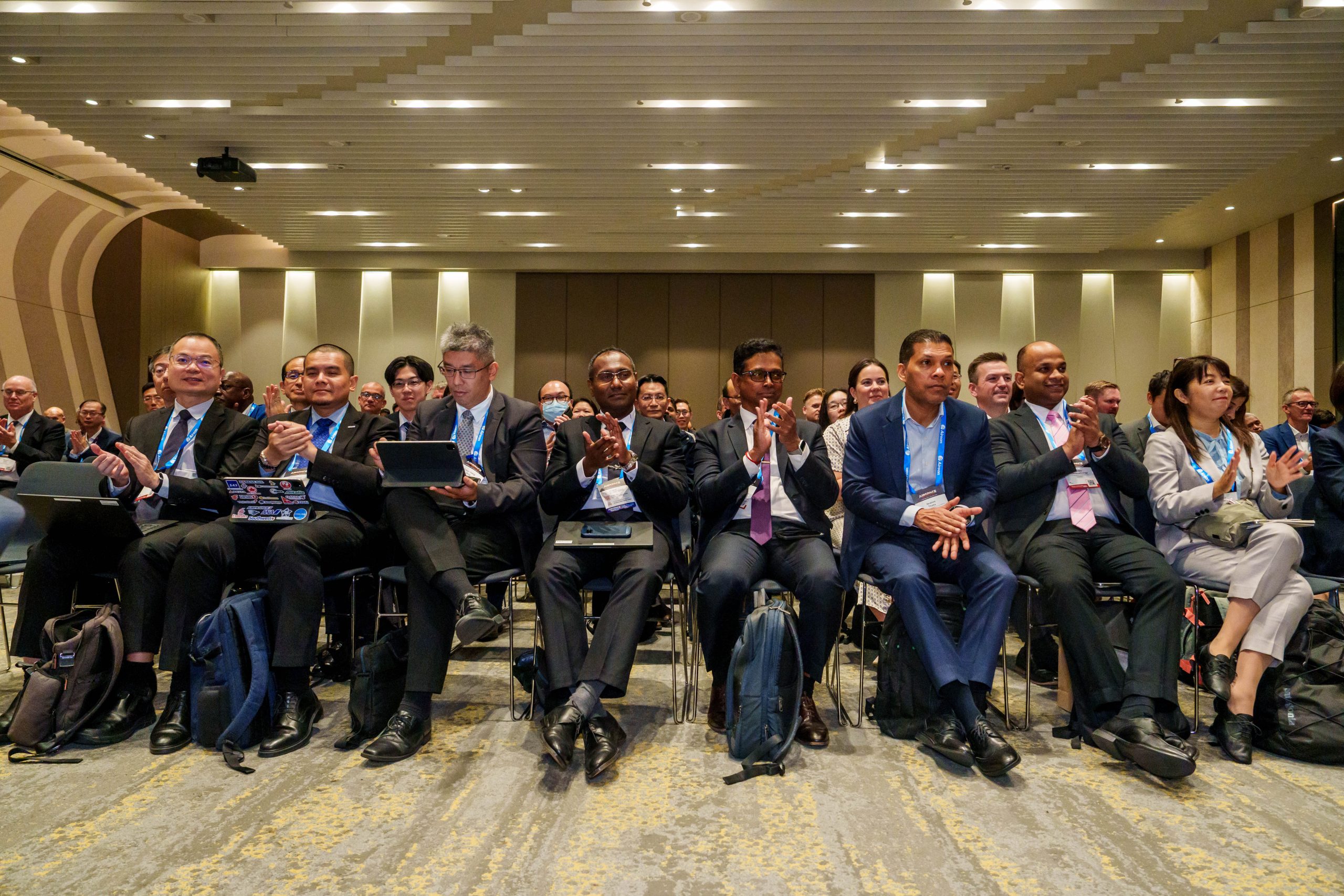
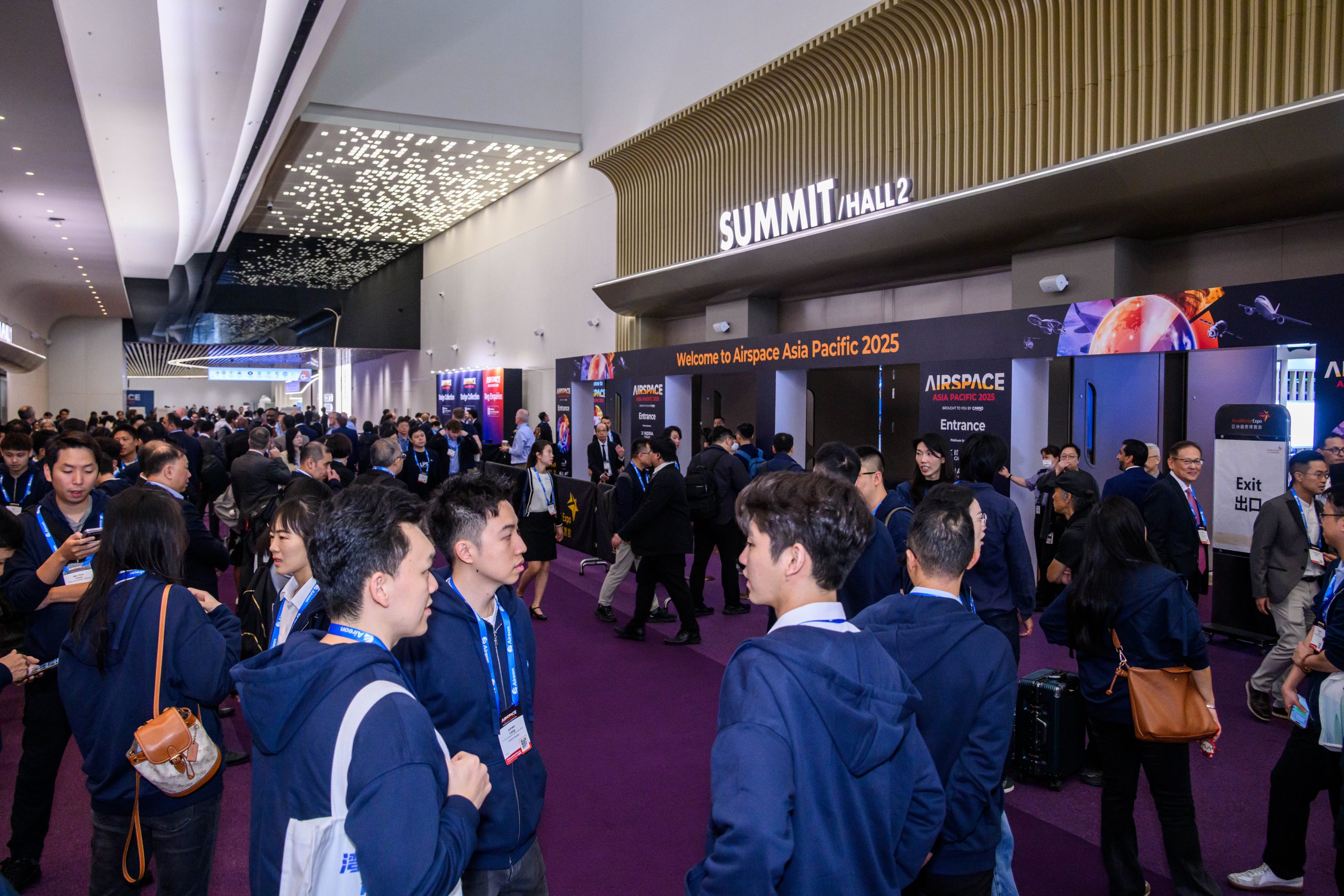
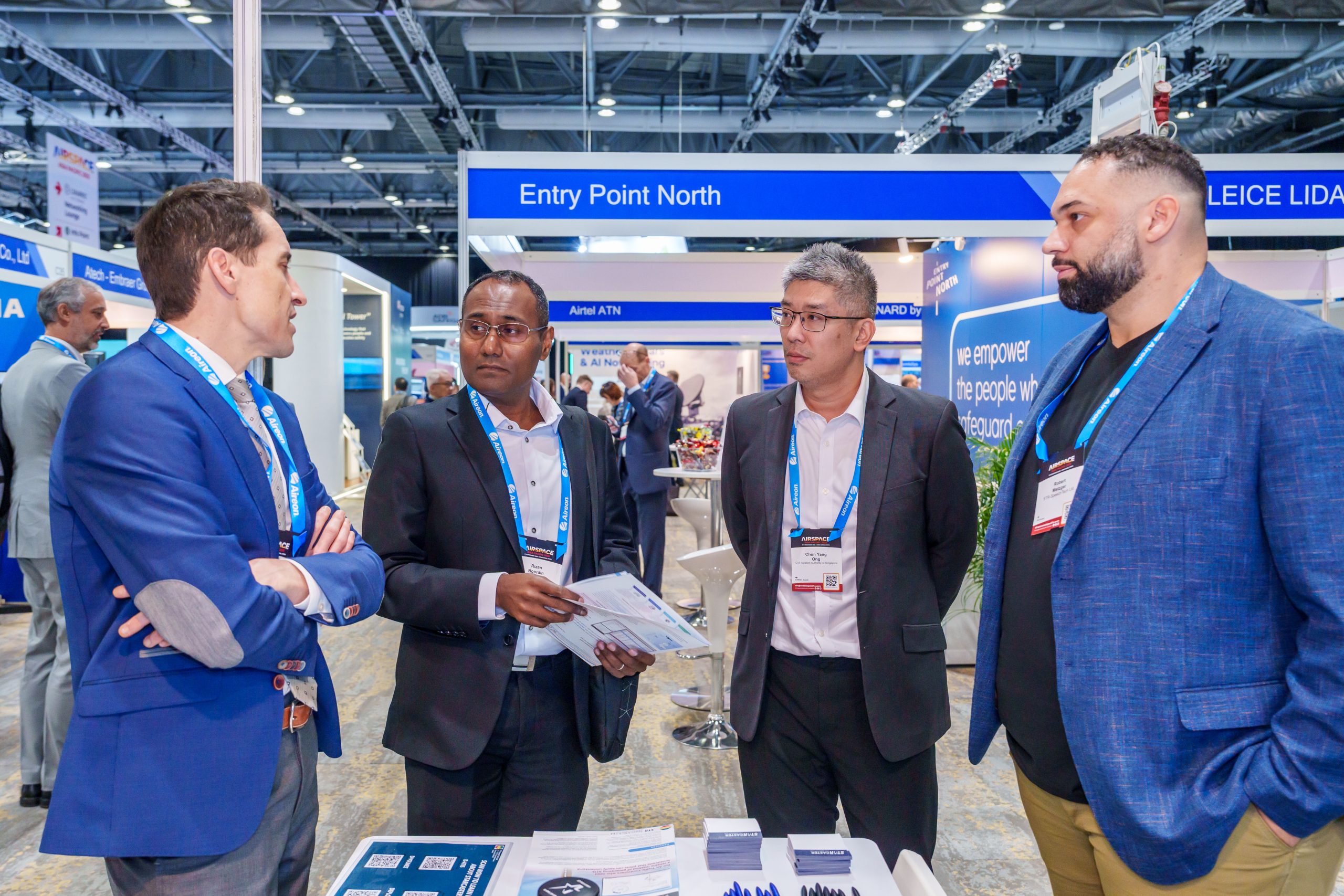
Here are some pictures which capture the spirit of Airspace Asia Pacific so far.
Copyright © 2025
Platinum Sponsors: