





HONG KONG, SAR – Following its successful deployment in Europe, Viasat is taking the next step in advancing global air traffic management and flight safety by deploying an Iris Test Facility into the Asia Pacific region.
Viasat is pleased to announce plans to deploy an additional Iris Test Facility (ITF) in Singapore to supporting the region in Trajectory Based Operations (TBO) implementations across the Asia Pacific region. The ITF is a key enabler providing a platform for end-to-end testing of live air and ground operations, including new standards such as ATN/OSI and ATN/IPS, multilink datalink configurations, and advanced TBO Controller-Pilot Data Link Communications (CPDLC) and Automatic Dependent Surveillance-Contract (ADS-C) exchanges. It will replicate operational conditions and enable end-to-end testing of live air and ground operations ensuring seamless integration before deployment.
Iris and TBO are central to modernizing air traffic management enabling more efficient and predictable operations. Iris delivers secure satellite-based datalink services that support initial 4D trajectory sharing between aircraft and controllers helping avoid holding patterns, optimize routes and maintain continuous climb and descent profiles to reduce fuel burn and emissions. Beyond this, Iris integrates with global standards like Flight and Flow Information for a Collaborative Environment (FF-ICE) and System Wide Information Management (SWIM) creating real-time collaboration between airlines, ANSPs and airports. This connectivity turns fragmented airspace into a unified ecosystem driving smarter flow management, faster decisions and harmonized operations that meet both safety and growth priorities.
Underpinning these capabilities is the Iris architecture which combines Viasat’s L-band satellite constellation with secure ground facilities to deliver reliable, high-speed data links for air traffic services and airline operations. Building on its success in Europe, Iris has optimized flight paths, reduced delays and cut fuel consumption delivering operational and environmental benefits. The Iris program also supports compliance with Single European Sky ATM Research (SESAR) objectives and International Civil Aviation Organization (ICAO) standards paving the way for global harmonization of air traffic services.
“Iris’s continued momentum and success in Europe highlights the role satellite connectivity plays in transforming air traffic management. Asia Pacific is one of the fastest growing regions for air traffic requiring coordination across many countries and regions. Introducing Iris to the region as an enabler of TBO will help support the increased air traffic volumes in an efficient manner and enable more predictable operations across its 39 diverse states, laying the foundation for harmonized air traffic management in one of the world’s most exciting regions.”
Joel Klooster, SVP Aircraft Operations and Advanced Air Mobility, Viasat
The ITF is expected to be operational in 2026 reinforcing Viasat’s commitment to advancing global aviation connectivity and safety standards. By enabling rigorous end-to-end testing and seamless integration of next-generation technologies, this initiative reinforces Viasat’s commitment to smarter and more efficient skies as we move into the era of digital aviation.
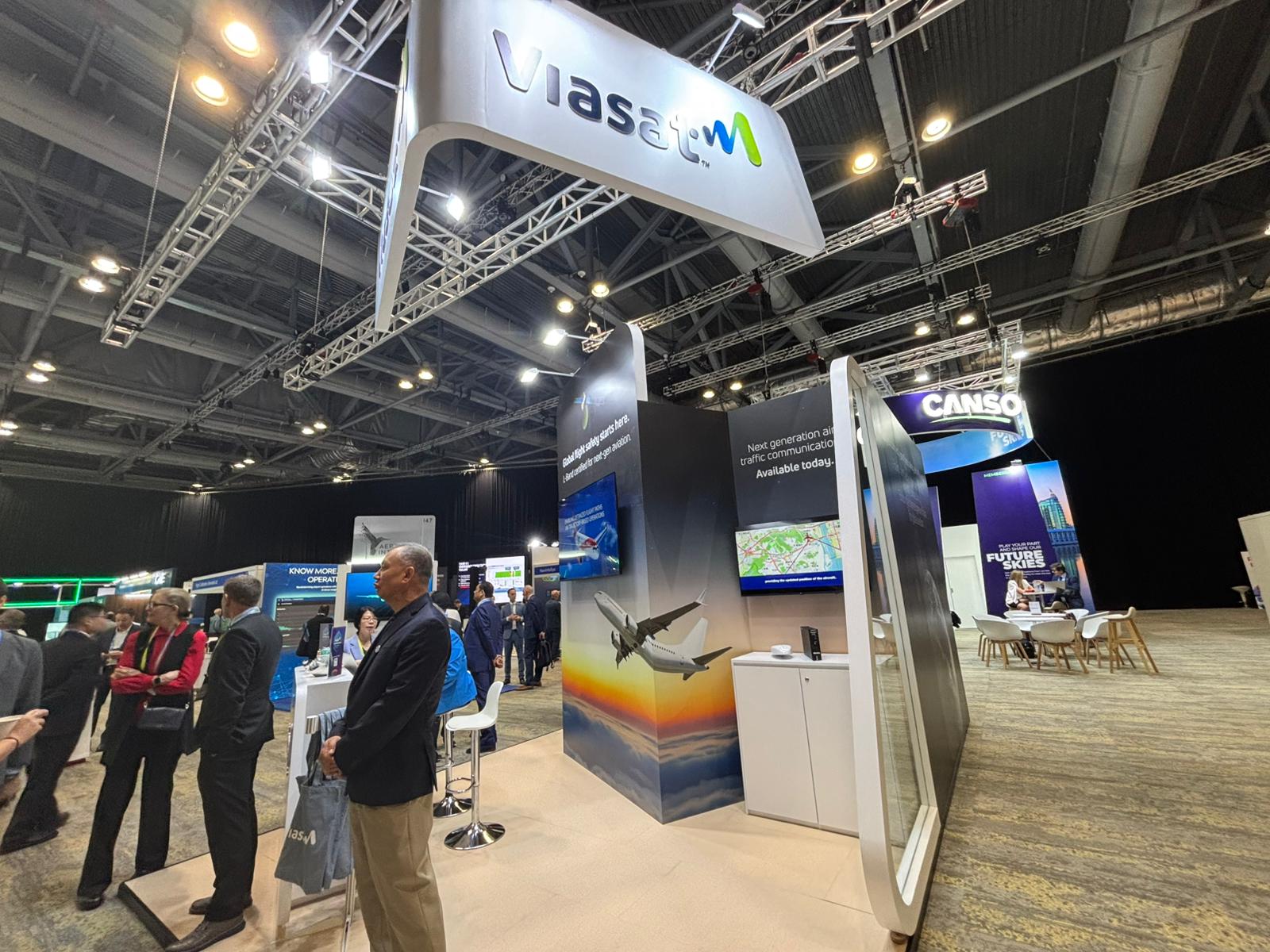
We’re partnering with airlines, ANSPs and aviation stakeholders to make Asia Pacific skies smarter and more efficient. Contact our team, or visit us at Booth G46 at Airspace Asia Pacific, to unlock the power of Iris for your airline operations.
About Viasat
Viasat is a global communications company that believes everyone and everything in the world can be connected. With offices in 24 countries around the world, our mission shapes how consumers, businesses, governments and militaries around the world communicate and connect. Viasat is developing the ultimate global communications network to power high-quality, reliable, secure, affordable, fast connections to positively impact people’s lives anywhere they are—on the ground, in the air or at sea, while building a sustainable future in space. In May 2023, Viasat completed its acquisition of Inmarsat, combining the teams, technologies and resources of the two companies to create a new global communications partner. Learn more at www.viasat.com, the Viasat News Room or follow us on LinkedIn, X, Instagram, Facebook, Bluesky, Threads, and YouTube.
Contact us at Iris@viasat.com